

This post has been two years coming. You’ll know why after reading this. I’ve written it many times and want to be clear, this is my own experience and if you think you want to learn more, scroll to the bottom for more resources. You can’t write a post where you can’t answer how you like your own eggs. Today it’s my story of codependency and path to healing.
Codependents have difficulty naming what they think and feel. They find it hard to be themselves because they are unable to find who they are without finding it in another person. In an effort to avoid the pain and anxiety of being in their own company, codependents spend a disproportionate amount of time thinking about others, orienting their lives around another person.
A Basic Codependency Definition
Codependency can be defined as any relationship in which two people become so invested in each other that they can’t function independently anymore. Codependency is a condition of a “lost self.” Those that are codependents have lost their connection to their innate self. Ones mood, happiness, and identity are defined by the other person.
Okay, so now we’ve got a basic understanding of it is, let’s talk about what it looks like in real life. Sometimes, it’s very apparent, but there’s a lot more subtle ways codependency tends to show up. Often disguised in healthy or rather, more traditional behaviors, we see in relationships. Wanting to make someone happy, anticipating their needs, trying to make sure they don’t’ have to deal with anything that might upset, them, the list goes on. Doing these things, as they are purely intended, aren’t inherently bad.
So where’s the line?
Codependency is taking personal responsibility for how others are feeling and making other people responsible for how you’re feeling as well. It’s removing yourself from your own responsibility and autonomy of your body, soul and mind while inserting yourself into the narrative of a partner, friend, etc. You are responsible for someone else’s happiness while removing yourself from your own life.
It can be emotional but also physical. If you’re adapting your social life, patterns, likes and dislikes to someone else’s… well, you’re going to want to read on.
Where Does Codependency Come From
This is a combined list from online articles, but the basic criteria is:
Individuals raised in dysfunctional families are more likely to become codependent adults.
- Parents with physical or mental illness
- Parents with an addiction or do not express emotion
- Narcissistic parent(s) who rely on children for praise and comfort
- Emotionally immature parents
- Domestic violence
- Physical, emotional, or sexual abuse
- Neglect
Almost all dysfunctional families share these common dynamics:
- A culture of silence that precludes honest conversation among family members
- Emotions are ignored or punished in the home
- Age-inappropriate responsibilities are assigned to children
- Children’s needs are secondary or ignored entirely
Dysfunctional families instill upon children some or all of the following messages, which children carry into adulthood:
- “Your needs are not a priority.”
- “Your needs are not as important as my needs.”
- “You are selfish for trying to meet your own needs.”
- “You are responsible for keeping everything under control.”
- “Care-giving for others is the only way you can experience stability.”
- “Feeling and naming your feelings is unsafe.”
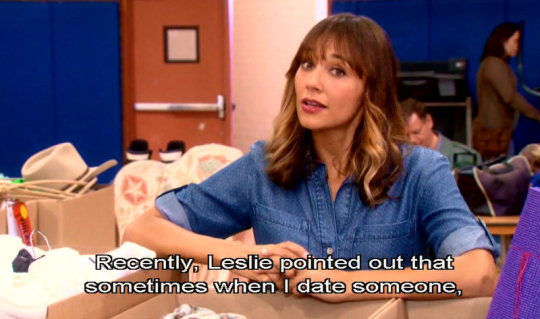
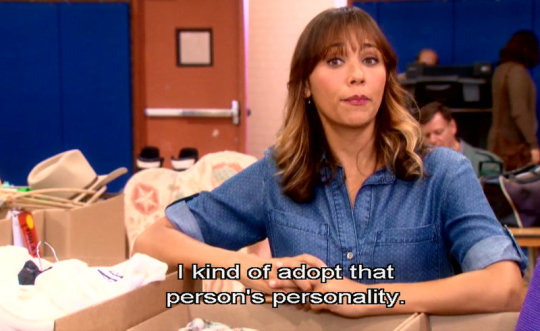
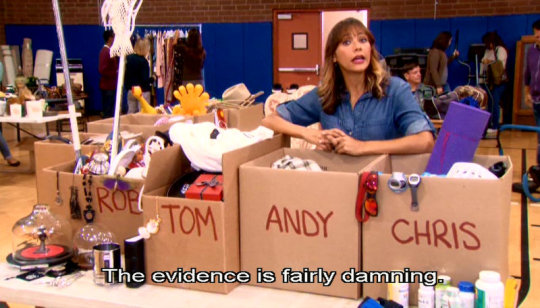
Ann Perkins Explains What It Looks Like in Real Life
How Codependency Shows Up In My Life
So much of my strength borders on codependency tendencies. Detail oriented about my friends lives, their likes, wants, desires and making sure they have a random gift to to them so they feel valued. What makes me great is that thoughtfulness, attention to detail and desire to want to go above and beyond for others.
How is this bad?
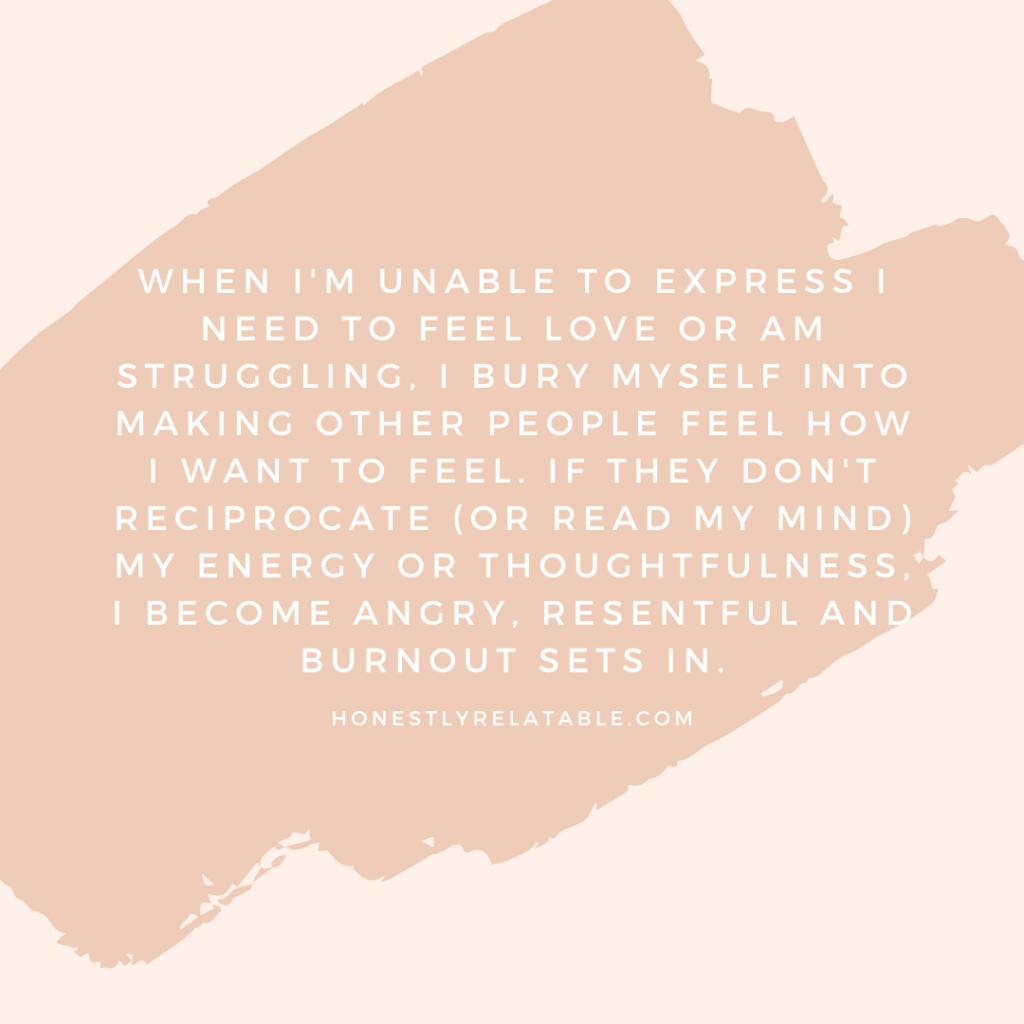
When I am unable to express I need to feel love or am struggling, I bury myself into making other people feel how I want to feel. If they don’t reciprocate (or read my mind) my energy or thoughtfulness, I become angry, resentful and burnout sets in. I feel like I am (silently) screaming into the void. Any idiot should know my energy and attention to their lives should mean I need that energy back.
It never works. I just end up in a frustrated cycle. “WHY CAN’T YOU TELL I NEED YOU TO GIVE ME ENERGY AND AFFECTION AND TIME.” Inevitably say something along the lines of ‘why couldn’t you just say that to me?’ or ‘why did you send me three gifts this week and spend that money when you could have just like, talked to me?’
When in a partnership (outside of a self-partnering) I find myself trying to control situations so the person doesn’t experience discomfort. That I’m filling in the void bringing them pain or discomfort with myself. So I can take away any sense of discomfort by reducing it. This can be as big as trauma or as small as doing something yourself so the other person doesn’t have to deal with it. (Being generic here for a reason, thanks for understanding.)
What I’ve Done to Stop Codependency
First, therapy. This is one of the biggest things we’ve worked on in the last year. My therapist would always ask me, “How do you like your eggs?” (A famous moment from Runaway Bride where Julia Roberts doesn’t know literally or metaphorically.)
My first homework was simple, “How do you like your eggs?”
It took me months to be able to answer that. Every answer I had was shaped by someone else. Slowly but surely, I found how I like my eggs. (I really hated literal eggs during this time.) I had to do homework, including reading this book which felt like it was a punch to my soul. You know how I’ve been talking non-stop about finding myself for like two years? Yeah, this is why. I had no baseline for who I, Alissa was.
I still find myself in that vicious cycle of silently screaming instead of being direct. However, that cycle is much shorter and I’m able to articulate what I need much faster. Being single has meant finding out how I like my eggs in every single aspect of my life. And I have to tell you, it’s hard. Seemingly never-ending. Right when you think you have a handle on it, you’ve got another 10 layers deep to go.
That work, while absolutely exhausting, is so worth it. Any time you are spending finding who you are, for you, is not wasted.
This is why I’ve been blogging ad nauseam about finding myself, hopes and dreams I have, being self-partnered and so on. The work is constantly being done. The work is never done. When you think you are, there’s more to learn about yourself.
I’ll tell you what, I sure as heck know how I like my eggs now.
You can read more about codependency here, here and here. There are many wonderful books on this as well and I encourage you to talk to a licensed therapist about this topic.